
If you’ve ever spent time in a factory, a construction site, or even a home workshop, you’ve probably seen a setup with belts and pulleys working quietly in the background, moving everything from conveyor systems to car engines. But when that setup needs to run smoothly for years without constant maintenance, you’ll likely find a V belt pulley with bearing at its core. As someone who’s been supplying these components for over a decade, I’ve seen how a small part like this can make or break a whole operation. Today, I want to break down how it works, why it’s different from standard pulleys, and why it’s such a workhorse for so many industries.
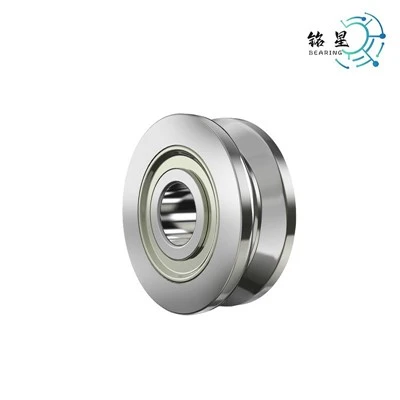
First, let’s get clear on what we’re talking about. A V belt pulley with bearing isn’t just a pulley—it’s two critical parts combined into one compact unit: the sheave (that’s the grooved wheel that the belt rides on) and a sealed bearing assembly fitted right into the center bore. This design eliminates the need for separate bearings, which means less installation time, fewer parts to source, and fewer points where things can go wrong. If you’ve ever replaced a standard pulley that required pressing in a new bearing only to have it fail months later because of dirt or moisture getting in, you know how valuable this integrated design is.
Let’s start with the pulley itself, specifically the V-grooved sheave. The V-shape isn’t a random design—it’s a engineering solution for grip. Unlike a flat belt, which can slip if it’s not perfectly tensioned, a V belt sits into that angled groove, creating a wedge effect. As tension on the belt increases, the sides of the belt press harder against the groove walls, boosting friction without needing extra force. That’s why V belts are so reliable for power transmission—they can handle heavy loads without slipping, even when the system is under stress. The sheave is usually made from cast iron or high-grade aluminum, depending on the application: cast iron for heavy, high-torque jobs like conveyor systems, aluminum for lighter, faster setups like HVAC blowers or small industrial tools.


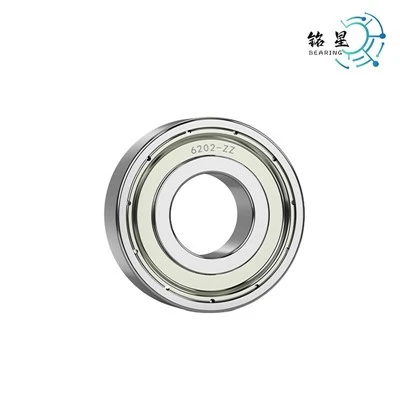
Now, the bearing part is where the magic happens. This isn’t just any bearing—it’s specifically designed to support the pulley shaft while allowing the sheave to spin freely with minimal friction. The key here is the sealed bearing design. Unlike open bearings, which need regular lubrication and are prone to contamination, the sealed bearing in a V belt pulley with bearing has internal shields or seals that keep dirt, dust, moisture, and debris out, while locking in the grease that lubricates the internal components for life. That’s a huge win for businesses—less grease fittings, no scheduled bearing replacements, and way less downtime. If you’re looking for a bearing that’s built to last in harsh conditions, you should check out our Sealed Bearing Pulley line, which is optimized for exactly this kind of heavy-duty use.
Wait, let’s back up and walk through the assembly step by step to make it concrete. When we manufacture a V belt pulley with bearing, we start with the precision-machined sheave. The center of the sheave is bored to exact dimensions, then we press the sealed bearing assembly into that bore with a controlled amount of pressure—too little and it could wobble, too much and it could damage the bearing. We then test every unit for smooth rotation and seal integrity to make sure there’s no way contaminants can get inside. The result is a single, self-contained unit that bolts right onto a shaft, no extra tools or parts needed for bearing installation. That’s one of the biggest reasons our customers love these pulleys: they cut assembly time by up to 50% compared to standard pulleys that need separate bearings and mounting.
So how does this all work together in a real-world system? Let’s take a simple example: a conveyor system in a manufacturing plant. The conveyor has a drive motor that spins a master shaft with a V belt pulley with bearing. The V belt connects this drive pulley to another V belt pulley with bearing at the other end of the conveyor. When the motor turns the master pulley, the V belt’s wedge grip makes the secondary pulley spin, moving the conveyor belt. The bearings in each pulley let the sheaves spin freely without any drag, so the motor doesn’t have to work harder than necessary. The sealed bearings mean that even if the plant is full of sawdust or metal shavings, the bearings stay lubricated and clean for years. I’ve seen a conveyor system we supplied run for 8 years in a sawmill with zero bearing replacements—now that’s reliability.
But not all V belt pulleys with bearings are the same, right? There are different types for different jobs, which is why it’s important to pick the right one for your application. For example, some pulleys have a single V groove for standard V belts, while others have multiple grooves for wider, higher-torque belts. Then there are V groove pulleys with bearings that are made for smaller, precision applications, like medical equipment or robotics, where smooth, quiet operation is non-negotiable. If you need something for heavy loads, you might look at our Pulley Roller Bearing options, which have larger bearing elements to handle higher radial and axial loads. For lighter, high-speed setups like fans or blowers, our Ball Bearing Pulley Wheel line is designed to spin with minimal friction, reducing energy costs over time.
A common question I get is: “Why not just use a standard pulley and a separate bearing?” The answer is mostly about simplicity and longevity. When you install a separate bearing, you have to align it perfectly with the pulley bore, and you have to remember to lubricate it on a schedule. Miss a lubrication, and the bearing can seize up, damaging the pulley and the belt. Contamination can get in if the seal on the separate bearing fails, which also leads to early failure. With a V belt pulley with bearing, that seal is engineered to be part of the unit, so you don’t have to worry about it. It’s all tested at the factory, so you know it’s going to work when you bolt it on. That peace of mind is worth its weight in gold for maintenance teams who don’t have time for emergency repairs.
Another thing to consider is load capacity. Every bearing has a rating, and when it’s integrated into the pulley, that rating is matched to the sheave’s strength. If you try to use an undersized bearing, you’ll get premature failure, and if the sheave is too weak, it can crack under load. Our V Belt Pulley with Bearing line is sized to match standard industry shaft diameters and load requirements, so you don’t have to do the guesswork. We’ve done the engineering to make sure the bearing and the sheave work as a single unit, which means consistent performance across every unit we ship. That’s something you don’t get with a random pulley and bearing mix-and-match.
Let’s talk about maintenance, because even the best parts need a little care. With a V belt pulley with bearing, maintenance is super simple. Every 1-2 years (depending on the environment), you can do a visual check: make sure the pulley spins smoothly without wobbling, check that the belt isn’t wearing unevenly, and confirm that the seal is intact (no cracks or tears). If you notice a little noise when it spins, that might be a sign the seal is failing, but even then, replacing the whole pulley is easier than disassembling a separate bearing. In 15 years in this business, I’ve only seen a handful of sealed bearings fail prematurely, and almost all of those were because someone used a pulley that was rated for a lower load than their system needed. So the key is matching the pulley to your application.
I’ve worked with customers who tried to save money by buying cheaper, unbranded pulleys, and almost every time they came back a few months later with a broken conveyor or a seized fan. The problem was that those cheap pulleys used low-quality bearings with flimsy seals that couldn’t handle even a little dust or moisture. Our V belt pulley with bearings uses premium steel for the bearing races and high-density synthetic seals that are tested to last in temperatures from -40°F to 250°F, so they work in everything from cold storage warehouses to hot asphalt plants.
So, to wrap up how a V belt pulley with bearing works: it’s an integrated power transmission component that combines a precision-machined V-grooved sheave and a sealed, pre-lubricated bearing assembly. The V-groove creates a wedge grip with the belt to prevent slipping, the sealed bearing allows smooth, low-friction rotation while keeping contaminants out, and the whole unit is engineered to be easy to install and long-lasting. It solves the problems of separate pulley and bearing setups, reduces downtime, and cuts maintenance costs for businesses.
If you’re working on a project—whether it’s a new conveyor system, a HVAC upgrade, agricultural equipment, or industrial machinery—and you need a reliable V belt pulley with bearing, our team can help you find the right fit. We supply a range of options from single-groove precision pulleys to heavy-duty multi-groove units for high-torque applications. If you’re unsure which one is right for you, just reach out—we’ve helped hundreds of companies pick the perfect component for their needs. No guesswork, no hidden fees, just quality parts that work when you need them.
References:
- Shigley, J. E., & Mischke, C. R. (2004). Mechanical Engineering Design (8th ed.). McGraw-Hill Education.
- American Bearing Manufacturers Association (ABMA). (2020). Standard for Radial Ball Bearings.
- V-Belt Sheave and Pulley Engineering Guide. (2021). Power Transmission Association International.
- Machine Design. (2019). “Integrated Pulley-Bearing Units Cut Installation Time, Reduce Maintenance.” Retrieved from industry trade publications.
- Industrial Maintenance and Plant Operations. (2022). “Sealed Bearings: Extending Component Life in Harsh Environments.”
For more information on our product line, you can explore our offerings through the links provided: Sealed Bearing Pulley, V Belt Pulley with Bearing, V Groove Pulley with Bearing, Pulley Roller Bearing, and Ball Bearing Pulley Wheel. If you’re ready to discuss your project and get a quote for the right V belt pulley with bearing for your application, contact our team today to connect with a specialist who can help you find the perfect solution.