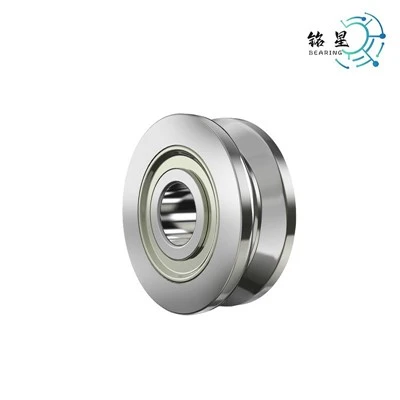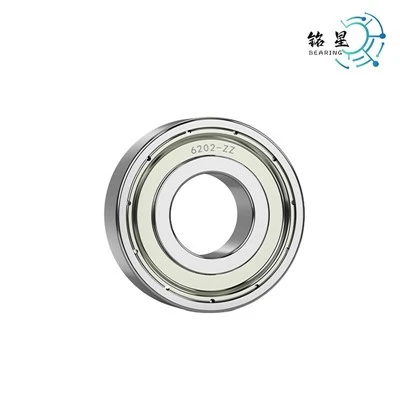

If you’ve ever walked past a machine that’s running too hot—like a conveyor belt in a warehouse or a small motor in a workshop—and noticed your V Belt Pulley With Bearing is the culprit, you’re not alone. As a supplier who’s spent years troubleshooting these parts for clients big and small, I’ve seen overheating turn a smooth-running system into a costly headache in no time. Overheating doesn’t just shorten the life of your pulley; it can wear out belts, seize motors, and shut down operations entirely. So let’s break down exactly why your V Belt Pulley With Bearing is heating up, what you can do to fix it, and when it’s time to swap it out.
First, let’s get one thing straight: a little warmth is normal. If you can barely feel the pulley with the back of your hand after 30 minutes of run time, that’s just friction doing its job. But if it’s too hot to touch (like, you have to yank your hand away) or it’s getting steadily hotter the longer it runs, that’s a red flag. Most of the time, the issue ties back to the bearing—the part that lets the pulley spin smoothly on its shaft—since that’s where all the moving parts interact.
One of the most common mistakes I see is improper belt tension. Here’s the thing: a V belt needs just the right amount of tightness. If it’s too loose, the belt slips on the pulley groove, creating extra friction. That slip generates heat fast, and that heat doesn’t just stay on the belt—it transfers straight to the bearing. I once had a client whose packaging line shut down every other day because they’d adjusted the belt to “just not slip” and ended up with a pulley that was 150°F after an hour. The fix? A quick tension check: if you can press the belt down about 1/2 inch in the middle between two pulleys, that’s spot on. Too tight, though, is another problem. Over-tensioning pulls the bearing’s inner and outer races too close, putting excess stress on the rolling elements (the balls or rollers inside) and causing friction that turns into heat. I’ve even seen a pulley shaft bend from being over-tensioned, which makes the bearing grind against the side—total overheating disaster.
Next up: bearing contamination. Bearings are tiny, precise parts—even a speck of dirt, metal shavings, or dust can ruin them. If you’re working in a construction site, a farm, or a factory where debris is everywhere, that gunk can sneak past the seal on your Pulley Roller Bearing (check out our guide to sealed units here) and get trapped between the balls or rollers. As the pulley spins, that particle acts like sandpaper, grinding against the races and generating heat. Even worse, if the contamination breaks off into smaller pieces, it can cause pitting on the metal surfaces, leading to more friction and over time, complete bearing failure. Another related issue is moisture. If the bearing gets wet—say, from a leaky pipe or a dusty workshop that gets hosed down—the moisture can mix with grease, turning it into a sticky, sludge-like substance that doesn’t lubricate well. That sludge makes the bearing work harder, and the heat builds up quickly. That’s why I always recommend a Sealed Bearing Pulley for outdoor or high-moisture environments—it keeps out debris and moisture way better than an unsealed one.
Poor installation is another big one, and it’s something a lot of people overlook. If you’ve ever tried to mount a pulley on a shaft and gotten it off-center, that’s called misalignment. Even a tiny misalignment—like 1/32 of an inch—can make the bearing work unevenly. The inner race spins at a slightly different angle than the outer, so the rollers or balls rub against one another instead of rolling smoothly. That friction heats up the bearing fast, and it also wears out the belt way sooner. I’ve seen clients use a hammer to tap the pulley onto the shaft instead of using a press—bang the pulley too hard, and you can warp the inner race, which throws the whole alignment off and causes instant overheating. Also, make sure you’re using the right tools: a puller to remove the old pulley, not a crowbar, so you don’t damage the shaft or the bearing seat.
Lubrication issues are right up there with tension problems. Bearings need a specific type of grease (or oil, depending on the unit) to keep moving parts from grinding together. Too little grease, and you get metal-on-metal contact—friction = heat. Too much grease, though, is just as bad. Over-greasing traps air inside the bearing, which makes it hard for the parts to move freely. The excess grease also churns up, creating additional friction that turns into heat. I once had a client who added grease until it oozed out both sides of the bearing, and within 2 hours, the pulley was so hot the grease melted. The fix here is simple: check the manufacturer’s specs for how much grease to use, or if you’re working with our V Groove Pulley with Bearing, stick to the guidelines in the installation sheet. If you’re reusing an old bearing, make sure to clean out all the old grease before adding new stuff—mixing old, hardened grease with new can cause clogs and overheating.
Wait, let’s talk about the pulley itself, not just the bearing. If the pulley’s groove is worn out, that can mess with belt alignment and create extra friction. Over time, the V groove can develop a “ridge” on the side, so the belt sits at an angle instead of flush. That makes the belt slip and rub against the groove instead of rolling smoothly, which heats up the pulley and bearing. Also, if the pulley is made of a material that’s not heat-resistant for your application, that can be a problem. For example, a cast iron pulley works great for heavy loads, but if you’re running it at high speeds, a lighter aluminum pulley might not dissipate heat as well as it should—leading to overheating even if the bearing is fine.
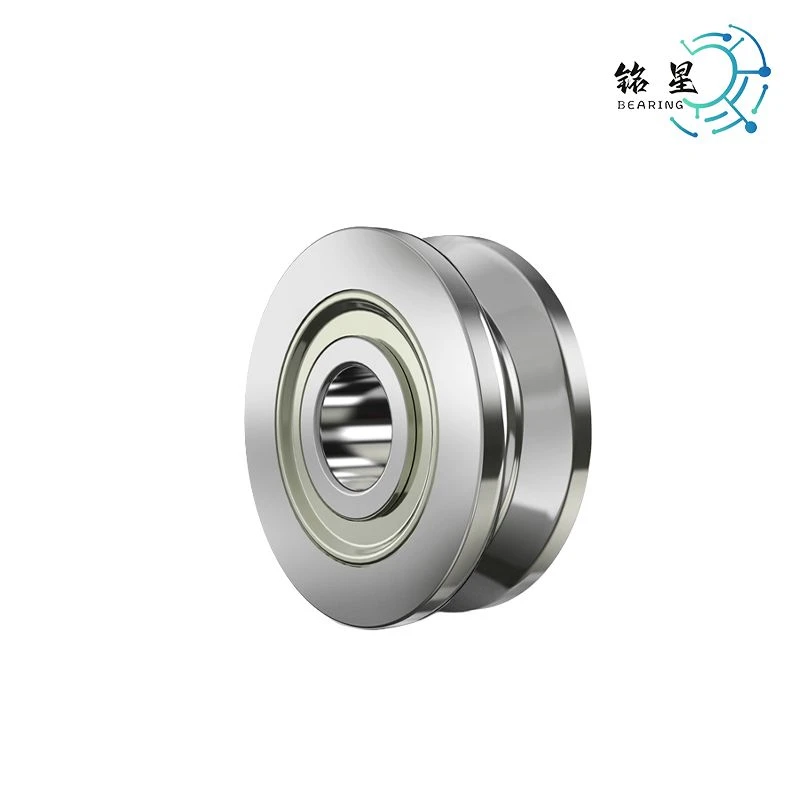

Another less obvious culprit: shaft issues. If the shaft your pulley is mounted on is bent, has rust spots, or is dirty, that can cause the bearing to bind. A bent shaft doesn’t let the bearing spin straight, so the rollers press against the race unevenly, creating friction and heat. Rust or debris on the shaft makes it hard for the bearing to slide into place and rotate smoothly, so again, extra friction. I always recommend checking the shaft with a straightedge before mounting a new pulley—if it’s off by more than a few thousandths of an inch, straighten it or replace it, or your new V Belt Pulley With Bearing will overheat in no time.
So what do you do if your pulley is already overheating? First, shut off the machine right away to prevent further damage. Let it cool down completely, then check the basics: tension (adjust if it’s too loose or tight), alignment (make sure the shaft and pulley are straight), and the groove (look for wear or damage). If you suspect contamination or lubrication issues, you might need to remove the pulley, clean the bearing (use a degreaser to get rid of old grease and debris), and regrease with the right amount. If the bearing is already noisy, grinding, or feels rough when you spin it by hand, it’s probably worn out—replace it with a quality unit like our Ball Bearing Pulley Wheel to make sure it lasts.
Now, how do you prevent overheating in the first place? It’s all about regular maintenance. Do a quick check every few weeks: feel the pulley after a run (if it’s warm, that’s normal—if it’s hot, investigate), check for belt wear, tighten the belt to the correct tension, and keep the area around the pulley free of debris. For high-moisture or dusty environments, go for a Sealed Bearing Pulley to keep out gunk. And when it’s time to replace a pulley, make sure you’re getting the right size and type for your load and speed—don’t just grab whatever fits, because a mismatched pulley will cause problems down the line.
At the end of the day, overheating in a V Belt Pulley With Bearing is almost always a sign that something’s not working as it should. It’s easy to brush off a little heat as just “part of the job,” but the cost of a shutdown or a replaced motor is way higher than the time it takes to check a few basics. If you’re tired of dealing with overheating pulleys, or you need a reliable replacement, feel free to reach out for a quote or to talk through your specific setup. We’re here to help you find the right pulley solution that keeps your operations running smoothly, no overheating required.
References
- Machine Design: "Bearing Overheating Causes and Solutions"
- Power Transmission Engineering: "V-Belt Pulley Tension and Performance"
- SKF: "Bearing Contamination and Failure Modes"
- NTN Corporation: "Proper Lubrication for Ball and Roller Bearings"
- Machinery Lubrication Magazine: "The Risks of Over-Lubricating Bearings"